



If you’ve ever looked closely at the labels on your packaging, you might have noticed a couple of different composting labels. As it turns out, there are different types of composting, so it pays to understand the difference.
In Australia, compostable packaging is either compostable under home standards or in commercial composting facilities.
Let’s take a closer look at how these two composting standards compare.
Compostable packaging explained
Compostable packaging refers to packaging that breaks down into natural elements, like water, carbon dioxide and biomass, under composting conditions. The key idea is that these materials decompose into non-toxic components that can be safely returned to the earth, enriching the soil without leaving harmful residues. Compostable packaging is a sustainable alternative to traditional packaging, particularly plastic, which can end up in landfill or may be littered into the environment leading to pollution.
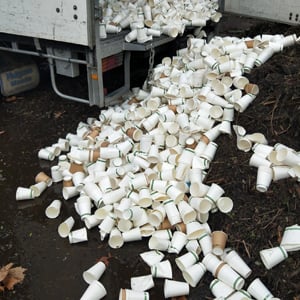
Benefits of Compostable Packaging:
- Environmental Impact: Reduces waste in landfill and helps mitigate plastic pollution.
- Soil Health: Decomposed packaging enriches the soil, contributing to healthier plant growth, especially when packaging is contaminated with food residue.
- Sustainability: Made from renewable resources, supporting a circular economy.
There are two main types of compostable packaging: home compostable packaging and commercially compostable packaging. Here’s how they compare.
Home composting
Home compostable packaging refers to packaging materials that can break down into natural elements in a home compost system, within 6 months. These materials decompose at ambient home composting temperatures (typically 20-30 degrees celsius) without leaving any harmful residue behind.
Home compostable materials can include paper, cardboard and some bioplastics which are designed to break down at lower temperatures. In Australia, the standards for home compostable packaging are defined by the Australian Standard AS 5810-2010. Packaging which is certified home compostable to this standard should carry the home compost logo

Commercial composting
Commercially (or industrially) compostable packaging refers to packaging materials designed to break down in industrial or commercial composting facilities within 12 weeks. These facilities provide the controlled conditions necessary for rapid and complete decomposition, including higher temperatures around 55-60°C, regulated humidity and specific microbial activity. Commercial compost facilities can sustain the ideal conditions of heat and moisture required for most plant based plastics (including PLA) to fully decompose.
The standards for commercially compostable packaging are defined by the Australian Standard AS 4736-2006. Packaging which is certified commercially compostable to this standard should carry the commercially compostable logo

How to dispose of compostable packaging
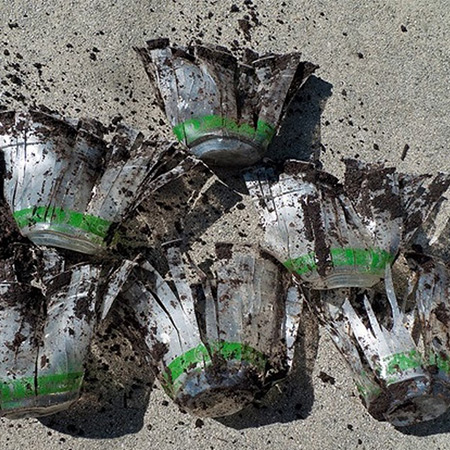
Disposing of compostable packaging properly is crucial to ensure it breaks down as intended and benefits the environment. Home compostable packaging is designed to break down in a home composting system. So if you’ve got a compost bin at home, you can throw your packaging into your compost at home. If it’s large or thick, you might want to cut or tear it into smaller pieces to speed up the composting process.
Alternatively, if your packaging carries the commercial composting label, you’ll need to find a local industrial composting facility that accepts compostable packaging. Depending on where you live, some local councils offer curbside composting programs, so be sure to familiarise yourself with your local composting options and guidelines.
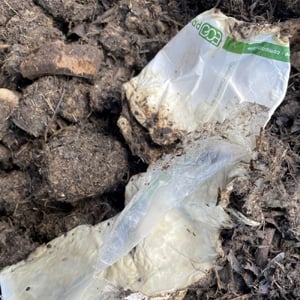
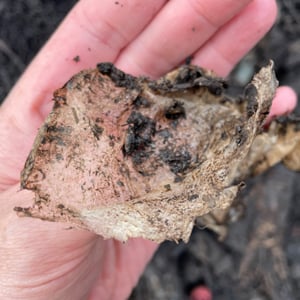
Compostable vs biodegradable vs recyclable
While we’re on the topic of composting, chances are you’ve also come across the terms biodegradable and recyclable. Each of these terms refers to a different end of life solution for packaging products. While each of these options are typically considered more sustainable than simply disposing of packaging in general waste.
Here’s how these disposal options differ.
Compostable
Under specific composting conditions, compostable packaging can break down into natural elements (water, carbon dioxide and biomass), leaving no toxic residue. Compostable packaging eventually converts into nutrient-rich compost that can enrich soil.
As we’ve already touched on, compostable packaging can either be disposed of in a home composting environment or under commercial composting depending on the standard.
Compostable packaging can be recognised by the relevant logos listed above.
Biodegradable
Biodegradable packaging can break down naturally by the action of microorganisms, like bacteria and fungi, over time. The process may vary widely in terms of conditions and timeframe.
Depending on the packaging materials, biodegradable packaging may leave some toxic residue or microplastics, depending on the material. Not all biodegradable packaging is necessarily suitable for composting or safe for the environment.
In Australia, there are currently no industry standards that outline what makes a product "biodegradable." With this in mind, it may be best to dispose of items listed as biodegradable in the general waste bin to avoid contamination with compost and recycling.
Recyclable
Recyclable packaging can be collected, processed and remanufactured into new products, reducing the need for raw materials. This means that materials are kept in use, reducing waste and conserving resources.
Recycling typically works best for materials like paper, glass, metals and certain plastics that can be efficiently reprocessed. However, these materials require processing in dedicated recycling facilities. With this in mind, the effectiveness typically depends on local recycling infrastructure and consumer participation.
The Australian Packaging Covenant Organisation (APCO) manages the Australian Recycling Label (ARL), which indicates whether the packaging is recyclable. This label provides instructions on which parts of the packaging can be recycled and how to dispose of any non-recyclable components.
Compostable packaging can represent a significant step toward more sustainable packaging solutions, aligning with growing environmental awareness and efforts to reduce waste.
At Detpak, we’re committed to helping our customers make more sustainable choices, which is why we clearly label our packaging and products. All of our compostable products carry a third-party stamp of approval for compostability allowing your customers to make the best choice when it comes to disposing of their packaging.
Our range of Eco-Products® is ethically sourced, certified and either compostable or recyclable so you can count on us for a sustainable packaging solution. We’re doing our best to make sustainable packaging as simple as possible so our customers know exactly how to dispose of our products. Get in touch with the Detpak team to see how we can help you with your packaging needs.