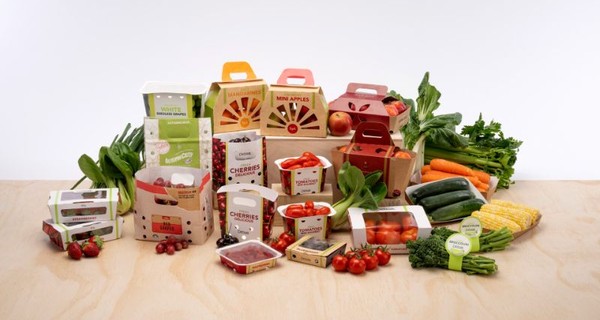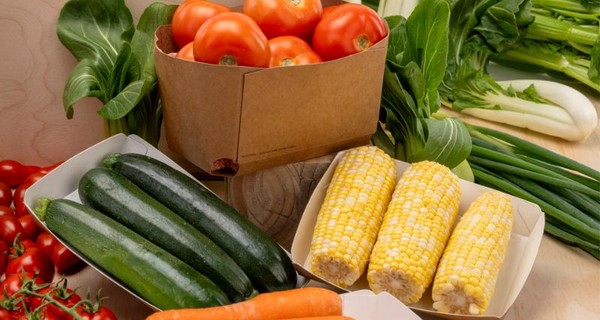




Cold foods like sushi, salads, and ready-to-eat meals require packaging that is both functional and visually appealing. Unlike hot food, they are more prone to condensation, texture loss, and microbial growth, making the right container essential for maintaining quality and food safety.
Presentation is equally important. Fresh ingredients, such as crisp greens, vibrant vegetables, and delicate sushi, benefit from packaging that preserves their structure while showcasing their appeal. Well-designed containers maintain freshness, prevent leaks, and enhance visibility, ensuring the product looks as good as it tastes.
Poor packaging, on the other hand, can lead to wilted salads, excess condensation, leaking dressings, and damaged sushi rolls, compromising both quality and customer experience. From crystal-clear bowls to sturdy, protective designs, the right packaging makes all the difference.
What makes a great cold food container?
Visibility
First impressions matter. Using clear lids and containers highlights fresh ingredients and vibrant colours, which is essential for salad bars, poke bowls, and deli displays.
Moisture control
Cold food creates condensation, which can cause some packaging to lose its structural integrity. Therefore, it is important to choose a container that prevents soggy greens and condensation. On top of this, secure lids help contain dressings and sauces, preventing leaks and protecting food during transport.
Structural integrity
Choosing containers with strong structural integrity keeps delicate foods like sushi or layered salads intact. The best containers will have flat bases to prevent shifting.
So, with this in mind, what’s the best material for cold food containers?
Choosing the right material: Clarity vs sustainability
Below, we highlight the most effective material options for cold food containers, balancing functionality, sustainability, and brand alignment.
|
Material |
Visibility |
Leak Resistance |
Best For |
|
Excellent clarity |
Moderate |
Display salads, deli counters |
|
|
Opaque |
High |
Wet salads, poke bowls |
|
|
Moderate |
Good with poly-lining |
Combo meals, takeaway lunches |
Sugarcane bowls
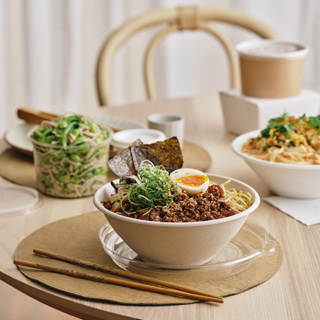
Made from bagasse, which is also known as sugarcane fibre, sugarcane bowls are durable and leak-resistant. They’re also strong and sturdy for wet salads and dressing-heavy dishes, making them an ideal choice for cold food containers.
Best use cases for sugarcane bowls include:
- Poke bowls.
- Pasta salads.
- Protein bowls.
- Deli salads with dressing.
Sugarcane bagasse is an excellent choice for cold food packaging, offering a strong and durable structure that holds up well during use. Its natural aesthetic delivers an appealing, sustainable look that enhances food presentation.
The art of sushi presentation
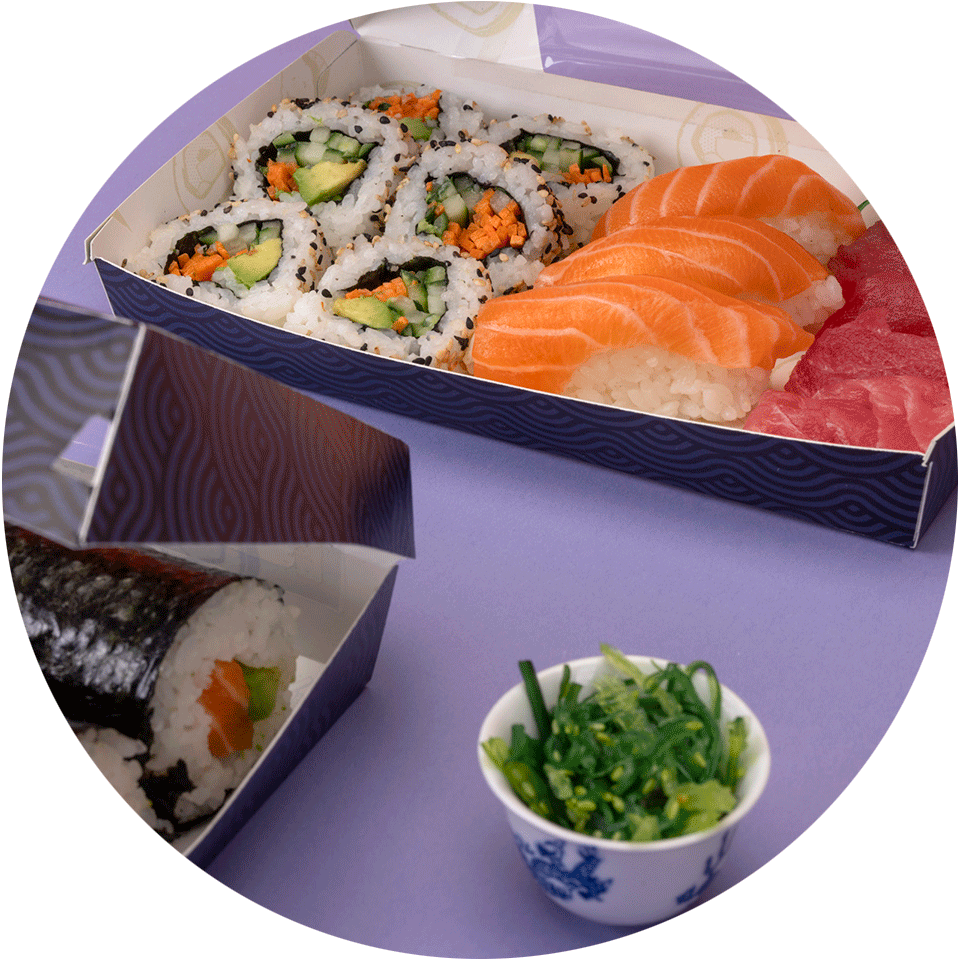
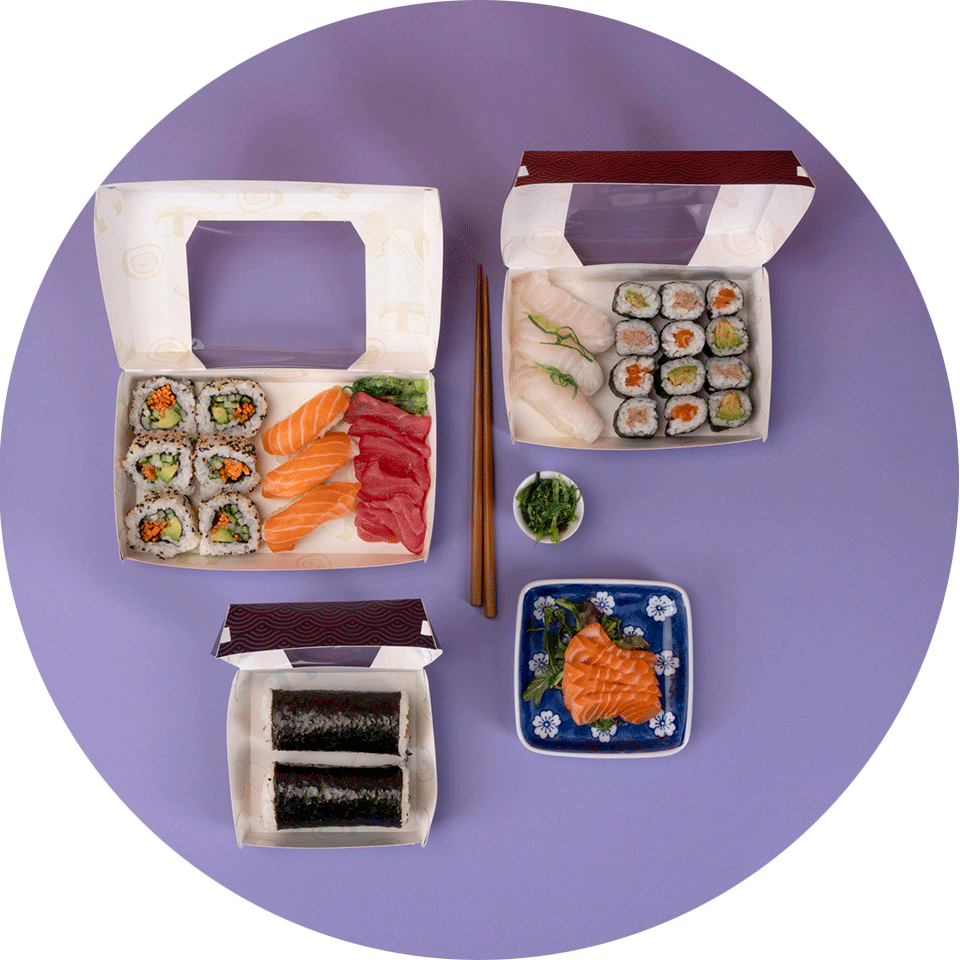
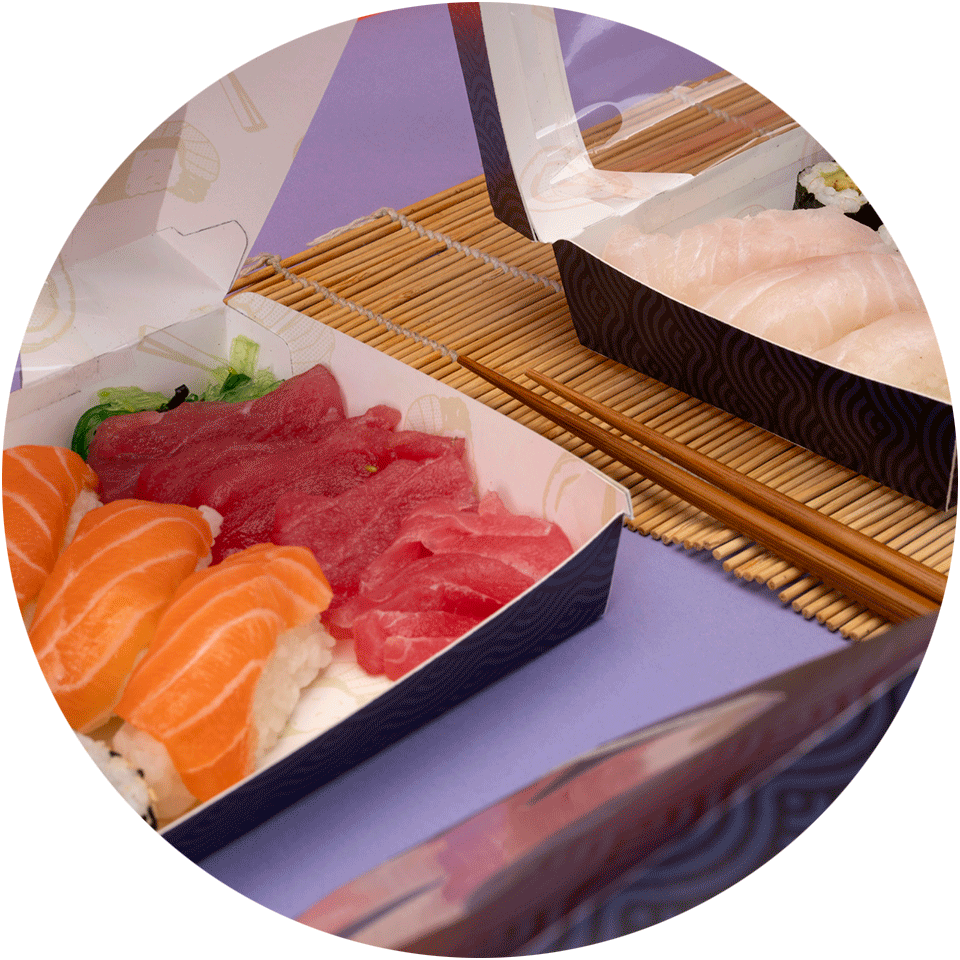
Sushi is a delicate product, making the choice of packaging essential. The right container should protect fragile rolls, keep components neatly organised, and offer clear visibility to enhance customer appeal.
Sushi containers are designed to maintain their structural integrity. They have a flat base to prevent rolls from shifting, compartment options for soy sauce, ginger, or wasabi, anti-fog lids for chilled displays, and a strong closure for takeaway transport.
Best use cases for sushi containers include:
- Sushi rolls.
- Nigiri.
- Bento-style sushi sets.
- Sushi platters.
While presentation matters in-store, takeaway sushi packaging must also support convenient on-the-go eating.

Ergonomic packaging for on-the-go cold meals
Ergonomic packaging offers solutions that prioritise portability, convenience, and ease of use. Whether customers are commuting, travelling, or multitasking throughout the day, thoughtfully designed packaging ensures products can be handled, opened, and consumed with minimal effort while maintaining maximum freshness.
By considering key factors such as grip, weight distribution, opening and closing functionality, and safety, ergonomic packaging enhances the overall user experience. Beyond functionality, ergonomic packaging also plays a strategic role in brand positioning. It differentiates products from competitors, improving usability but fostering positive brand perception, trust, and loyalty.
Overall, ergonomic packaging meets practical needs while strengthening brand value. By aligning thoughtful design with consumer lifestyles, brands can create more meaningful and memorable interactions with their products.
Here’s an overview of some of Detpak’s most popular ergonomic packaging solutions.
Pail-Paks™: The vertical solution
Pail-Paks™ have an upright, compact vertical design, and the poly-lining ensures quality protection for meals. This type of packaging is perfect for urban takeaway and delivery, making it a great option for food service businesses.
Best use cases for pail paks include:
- Cold noodle dishes.
- Street-food style meals.
- Asian-inspired salads.
- Grain bowls.
Benefits of using pail paks include:
- Easy to carry.
- Stackable for delivery.
- Compact footprint.
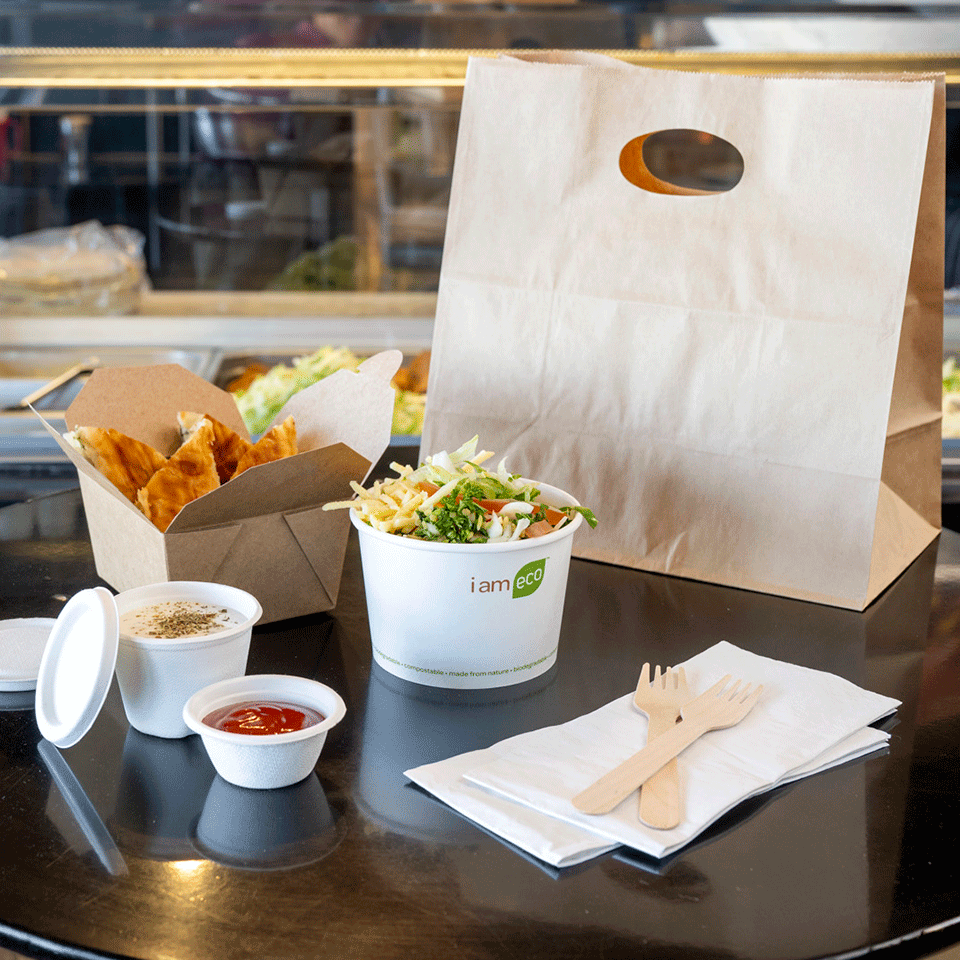
Lunch boxes: Perfect for combo meals
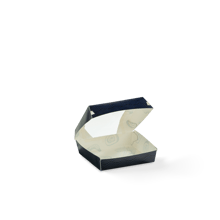
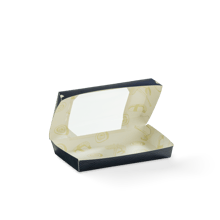
Takeaway lunch boxes are poly-lined and leak-proof, making them a great option for sauces and salad dressing. As many deli foods are designed to ‘grab and go’ with several food elements, these containers are specifically designed to transport multiple components.
Best use cases for lunch boxes include:
- Bento-style lunches.
- Gourmet deli combinations.
Benefits of using lunch boxes include:
- Secure closure.
- Ideal for takeaway counters.
Sugarcane clams: Reliable all-rounders
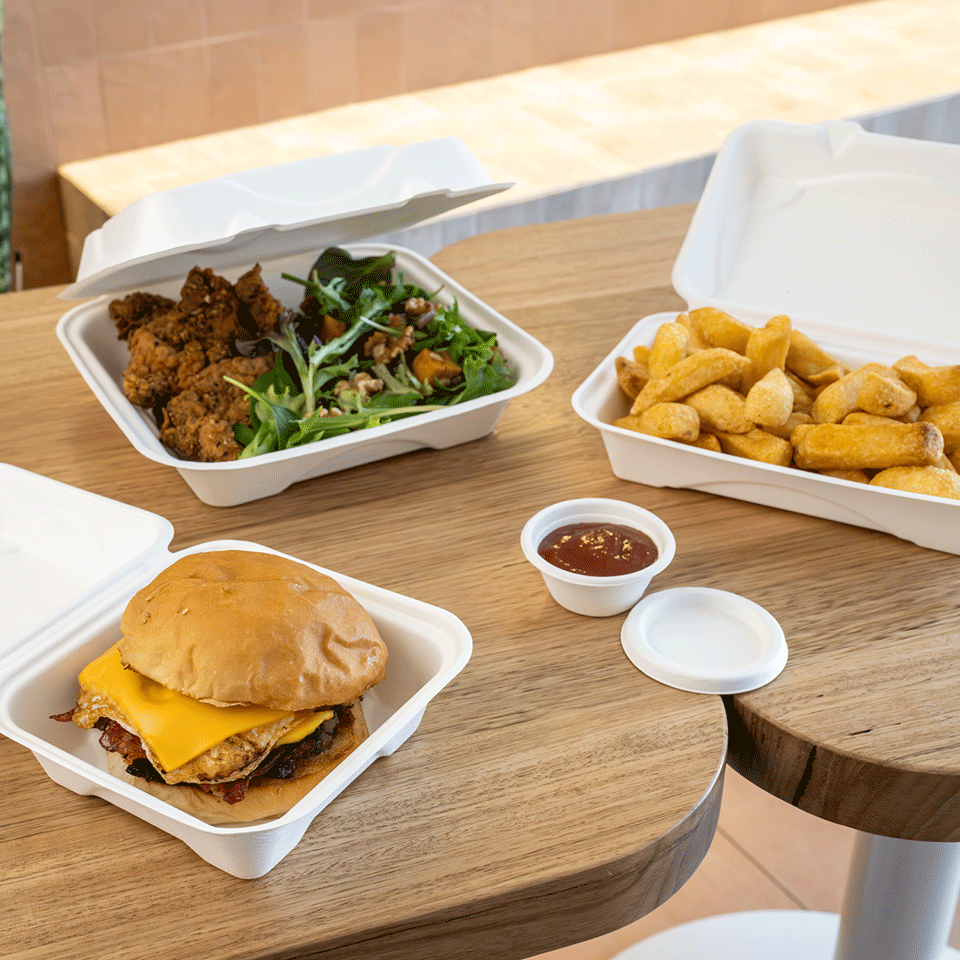
Sugarcane clam food packaging is the ideal all-rounder - perfect for hot, cold, and greasy food. These containers are fridge- and freezer-safe, and the rounded corners are specifically designed to keep them strong, secure, and stackable.
Best use cases for the sugarcane clam package include:
- Large deli salads.
- Cold pasta.
- Snack platters.
- Mixed takeaway meals.
Benefits of using sugarcane claim packaging include:
- Easy to open and close.
- Strong structure.
- Excellent leak resistance.
Choosing the right container for your menu
The right container for your menu depends on several key factors. It’s not just about preserving food quality; you also need to consider your environmental footprint, customer satisfaction, and day-to-day operations.
Size plays a critical role. A container that’s too small can crush food and compromise presentation, while one that’s too large may leave customers questioning value for money.
To help guide your decision, consider the following:
- Vibrant display salads: PLA bowls.
- Dressing-heavy salads: Sugarcane bowls.
- Delicate sushi: Dedicated sushi containers.
- Combo takeaway meals: Lunch boxes or clams.
- Street-food style dishes: Pail-Paks™.
Packaging is often the first physical interaction a customer has with your brand. Getting it right not only protects your food but also reinforces perceived value and strengthens your brand identity.
Combine functionality with aesthetics for your cold food products
The right packaging for cold food does more than protect the food it is storing. It preserves freshness, maintains structure, and elevates presentation. High-quality containers for salads, cold meals, and sushi play a key role in shaping the customer experience and reinforcing your brand integrity and identity. Getting this right is essential to consistently meet customer expectations.
Explore Detpak’s full range of cold food packaging, or get in touch to order samples to find the best fit for your menu.